UNHCR seeks $3.5 million to support Akobo emergency response
Credit: UNHCR
The United Nations refugee agency is seeking $3.5 million to strengthen emergency protection and humanitarian assistance for about 60,000 people in Akobo and neighboring counties, as insecurity, flooding and limited basic services continue to threaten displaced families and returnees.
The United Nations High Commissioner for Refugees, or UNHCR, said in an emergency update dated Aug. 21 that it needs $2.5 million for protection interventions and $1 million for emergency shelter and core relief items.
The funding would support protection monitoring, border monitoring, emergency shelter, essential household items, community-based protection and preparedness for further displacement.
Conflict across Jonglei and Upper Nile states has displaced more than 323,000 people since 2025, according to UNHCR. More than 100,000 people have fled Akobo and surrounding areas into Ethiopia following the latest escalation in violence.
Returns have gradually increased as security conditions improved in some areas. The International Organization for Migration’s Displacement Tracking Matrix recorded more than 61,000 returnees in Akobo County by July 1.
However, UNHCR said many families are returning to precarious conditions, with insecurity, seasonal flooding and limited access to basic services continuing to affect their lives.
In July, UNHCR and its partners recorded 8,292 people arriving in South Sudan through the Akobo Boat Dock and Dibole entry points from refugee camps in Ethiopia. The figure was a 10% decrease from the 9,250 arrivals recorded in June.
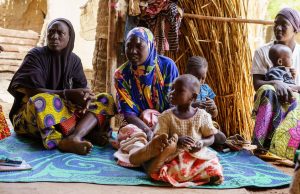
Children accounted for 60% of the July arrivals, while 70% of returning households were headed by women. About 5% of returnees were aged 60 or older.
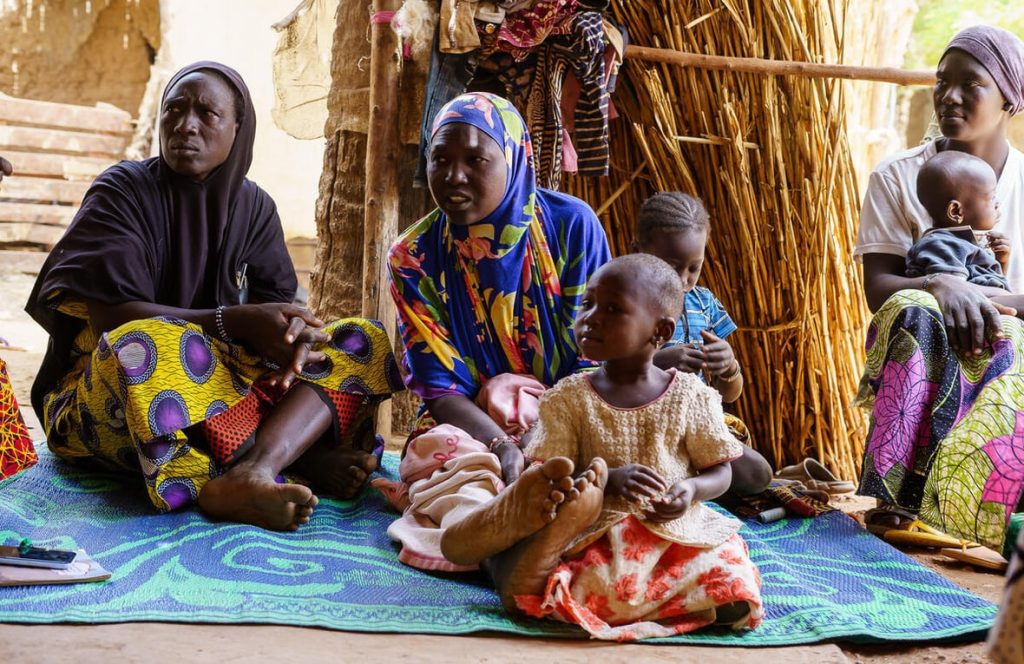
Many families returned with few belongings and are rebuilding their lives in areas where shelter, services and livelihood opportunities remain limited.
UNHCR said improved security and family reunification encouraged some returns, while reduced humanitarian assistance and limited access to food, health care, education, water and sanitation in Ethiopia also influenced families’ decisions to return.
The journey remains difficult. Heavy rains have made many roads impassable, leaving the Matar-Akobo boat route as one of the few viable options. High transport costs and limited commercial boats have slowed arrivals, with some families reporting journeys of up to seven days from Gambella.
UNHCR is expanding its response across Akobo East and West, Nyirol, Uror and Ayod, with Akobo East serving as a main reception and response location and Bor functioning as a preparedness and emergency operations hub.
The agency said it had supported nearly 5,000 people with protection assistance in August and provided about 3,000 vulnerable people in Wecjal, Akobo West, with emergency relief items, including plastic sheeting and other essential household supplies.
UNHCR also trained 60 community members, including protection volunteers, women’s association representatives and local leaders, to identify people at heightened risk, facilitate referrals and strengthen community-based protection.
Protection monitoring teams identified about 10,000 internally displaced people and 11,750 returnees in Akobo East in early August.
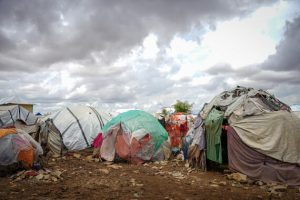
Many returnees were living with host families or sheltering in schools, churches and other communal buildings. In some locations, monitors found up to four households sharing a single tukul, a traditional South Sudanese home.
Flooding has damaged already inadequate shelters and restricted civilian movement and humanitarian access. Eight security incidents, including road ambushes, cattle raiding and attacks on civilians, were recorded across Akobo East and West during one week of monitoring.
Women and girls face heightened risks while collecting water, firewood and food, according to UNHCR.
Although eight boreholes have been repaired in Akobo town, demand continues to exceed available capacity, and some communities still rely on untreated river water. In some areas, women spend up to two hours collecting safe water, including travel and waiting time.
Food insecurity is also increasing protection risks. Families reported reducing food consumption, making unsafe journeys in search of assistance, withdrawing children from school, and resorting to child labor and early marriage to cope.
UNHCR said it is working with women and girls to raise awareness of gender-based violence, protection from sexual exploitation and abuse, available services and safe reporting channels.
The agency is also monitoring population movements at the Akobo Boat Dock, Dibole and formal and informal crossing points in Gakdong, Dengjock and Dilule to identify protection risks and refer people with specific needs.
UNHCR warned that severe underfunding of the wider humanitarian response could undermine fragile returns and increase the likelihood of renewed internal and cross-border displacement.
“Additional flexible funding is urgently required” to sustain and expand the response, the agency said.
UNHCR is coordinating protection efforts in Jonglei and supporting the Jonglei Prioritized Response Plan to integrate protection into the wider humanitarian response.