UN humanitarian chief urges urgent global action as Ebola spreads in DRC
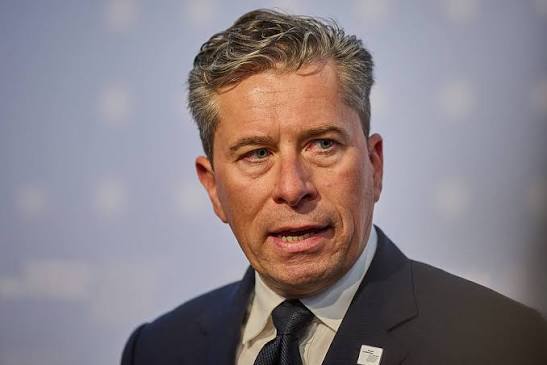
The United Nations humanitarian chief has called for an urgent, large-scale international response to the Ebola outbreak in the Democratic Republic of Congo, warning that the virus is spreading faster than the humanitarian response.
Tom Fletcher, U.N. under-secretary-general for humanitarian affairs and emergency relief coordinator, said Tuesday that the outbreak had spread across six provinces, including areas where insecurity is restricting humanitarian access and health systems are already weak.
“We need to turn that alarm into action,” Fletcher told member states during a virtual briefing on the outbreak.
Fletcher described the epidemic as the fastest-growing on record, saying it is unfolding in a country already facing a severe humanitarian crisis, with nearly 11 million people requiring support amid conflict, displacement, acute food insecurity and widespread malnutrition.
“The response is growing, has been scaled up, but the virus is, as you’ve heard, moving faster,” he said. “And unless we scale up urgently, more lives will be lost and the threat will grow.”
The spread of Ebola is making it increasingly difficult to detect cases, trace contacts, treat patients and build trust in affected communities. Women and girls, particularly pregnant women, are disproportionately affected, while children who lose parents or caregivers face increased risks of exploitation and trafficking.
Fletcher said the outbreak should not be viewed solely as a health emergency because it is occurring alongside multiple existing humanitarian crises.
The U.N. has strengthened its response since activating its humanitarian system on June 9. Operational hubs in Bunia and Beni are now functioning, while humanitarian financing has been mobilized.
However, Fletcher warned that an incremental response would not be enough to contain an epidemic that is growing rapidly.
He called for expanded treatment capacity, additional safe and dignified burial teams and improved access for humanitarian workers and supplies.
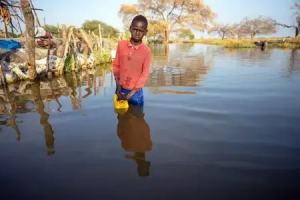
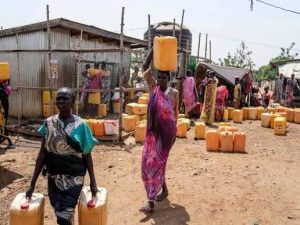
“People need functioning health services, clean water, sanitation, food, protection, and livelihoods. Above all, they need trust,” Fletcher said.
The humanitarian chief also raised concerns over the safety of frontline responders. More than 40 health workers have died from Ebola while working to contain the outbreak, while treatment centers and ambulances have come under attack.
“These front-line responders must be protected,” Fletcher said.
Neighboring countries, particularly South Sudan and the Central African Republic, have increased preparedness efforts as the outbreak continues to pose a regional threat. Fletcher also noted that the World Health Organization last week declared Uganda free of the outbreak after 42 days without a reported Ebola case.
The revised 2026 DRC Humanitarian Needs and Response Plan requires $2.1 billion, including $300 million for Ebola-related activities. More than $1 billion has been secured, leaving half of the required funding gap unmet.
Fletcher said he had allocated more than $57 million through the Central Emergency Response Fund for response and preparedness activities in the DRC and neighboring countries.
He urged governments and donors to keep the outbreak high on the international agenda, improve humanitarian access and provide increased, flexible funding.
“Do not wait for Ebola to cross borders before you act,” Fletcher said.
He said humanitarian personnel and supplies must be allowed to move safely and quickly into and within the DRC, while borders should remain open and obstacles to the response removed.
“We have the experience, the tools, extraordinary people risking their lives to stop this epidemic,” Fletcher said. “What we need now is political will, access, and resources.”
“We have beaten Ebola before. And we can do it again.”