RJMEC Warns South Sudan Peace Process at Critical Juncture Ahead of December Elections
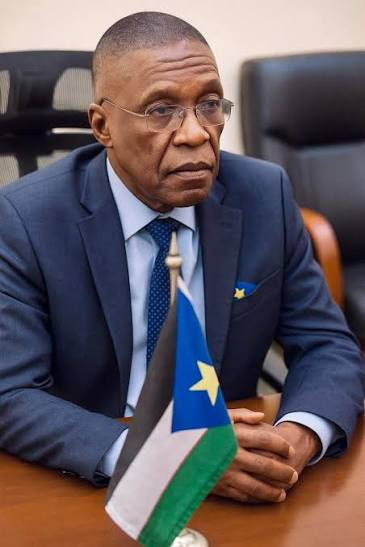
The Reconstituted Joint Monitoring and Evaluation Commission (RJMEC) has warned that South Sudan’s peace process is at a critical stage, citing persistent political, security, humanitarian and economic challenges just months before the country’s scheduled general elections on December 22.
In its latest Quarterly Report covering the period from April 1 to June 30, 2026, RJMEC said implementation of the Revitalized Agreement on the Resolution of the Conflict in South Sudan (R-ARCSS) has made only limited progress, while continued political and security tensions have slowed key reforms and weakened trust among the peace parties.
The report criticized the Revitalized Transitional Government of National Unity (RTGoNU) for attempting to amend the peace agreement without first obtaining RJMEC’s consent, as required under Article 8.4 of the agreement. Although the government later withdrew the proposed amendments following RJMEC’s recommendations, the commission said the required legal procedures were not followed.
While acknowledging progress by the National Elections Commission in setting the election date, expanding civic and voter education, and improving institutional preparedness, RJMEC warned that significant obstacles remain. These include incomplete Transitional Security Arrangements, unresolved legal and political disputes, insecurity, restrictions on civic and political freedoms, inadequate funding, and the displacement of millions of citizens.
The commission also expressed concern over escalating violence in Upper Nile, Jonglei, Unity and parts of Equatoria, where clashes between the South Sudan People’s Defence Forces (SSPDF) and SPLA-IO have continued to violate the ceasefire. It noted that Phase II of the Necessary Unified Forces, the Disarmament, Demobilisation and Reintegration (DDR) programme, and broader security sector reforms remain stalled.
On the humanitarian front, RJMEC reported that more than 7.8 million people are projected to face crisis or worse levels of food insecurity, while internal displacement has exceeded 2.5 million people. It said renewed violence, restricted humanitarian access and the continued arrival of people fleeing the conflict in Sudan have further increased humanitarian needs.
Despite the challenges, the report welcomed progress in the permanent constitution-making process, noting that the National Constitutional Review Commission completed civic education and public consultations across all ten states and three administrative areas before beginning consultations with national institutions.
RJMEC called for an inclusive national political dialogue, in line with the African Union C5 Plus Declaration, to restore trust among the parties, resolve the political impasse and build consensus for a peaceful conclusion of the transitional period.
The commission urged all parties to immediately cease hostilities, fully implement the peace agreement, complete the Transitional Security Arrangements, avoid unilateral actions, and ensure the participation of women, youth, displaced persons and other vulnerable groups in the electoral process.
It also called on the transitional government to accelerate implementation of the remaining provisions of the peace agreement, adequately fund its institutions, improve humanitarian access and intensify preparations for peaceful, credible and inclusive elections.
As South Sudan enters the final months of its transitional period, RJMEC stressed that renewed political commitment, adherence to the peace agreement and inclusive dialogue are essential to preserving the gains of the peace process and ensuring a peaceful democratic transition.