Oxfam Calls for Gender-Sensitive Food Security Assessments to Expose Hidden Hunger Among Women
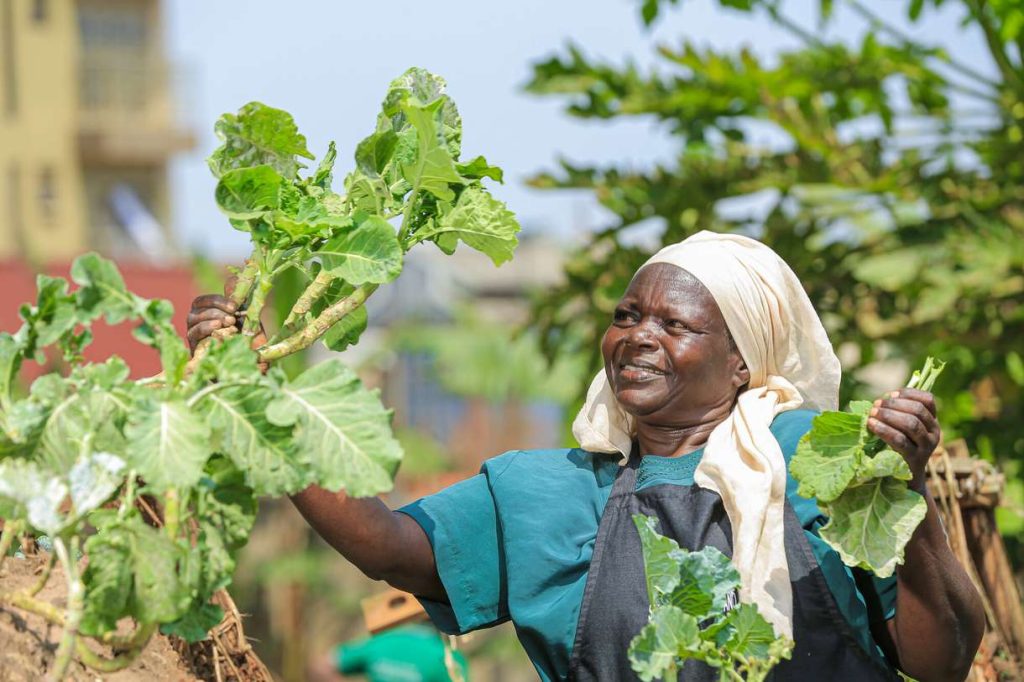
Credit: OXFAM
Oxfam has called for urgent reforms to global humanitarian food security assessments after a new report found that current systems fail to capture the disproportionate hunger experienced by women and girls within households.
The report, Improving Gender Sensitive and Local NGO Engagement in IPC Processes and Other Food Security Analyses, was implemented in 2024 and 2025 with funding from the Novo Nordisk Foundation. It examined the Integrated Food Security Phase Classification (IPC) system and concluded that its household-based approach overlooks inequalities in food distribution among family members.
According to Oxfam, women are 10 percent more likely than men to experience moderate to severe food insecurity globally. However, because the IPC measures food security at the household level rather than the individual level, women and girls suffering the greatest deprivation often remain invisible in humanitarian data.
Research conducted in Lebanon and South Sudan found that women frequently sacrifice their own meals during periods of food scarcity to ensure children, sick family members, and working men have enough to eat. Many mothers reported skipping meals or pretending they had already eaten as part of their caregiving responsibilities.
In South Sudan, the report found that food allocation often follows traditional patriarchal norms, with husbands eating first, followed by children—particularly boys—while women eat last.
In Yambio County, the proportion of women eating only one meal a day during the lean season rose from 22 percent to 45 percent, while the proportion of men eating only one meal a day fell to just 4 percent.
The report also highlights the unequal burden carried by women, who are largely responsible for securing food, water, and firewood but have limited control over household finances, land ownership, and productive assets.
In Pibor County, 92 percent of female-headed households reported that girls felt unsafe collecting water because of the threat of gender-based violence, including rape.
In Lebanon, the report linked the country’s economic crisis and regional instability to worsening nutrition among women. Only 19.6 percent of women aged 18–49 met the minimum dietary diversity standard, while Syrian female-headed households were more than three times more likely to experience poor food consumption than Lebanese households.
To address these gaps, Oxfam is urging humanitarian agencies to collect sex-disaggregated data, incorporate qualitative research into food security assessments, and strengthen the participation of local women’s rights organizations in the IPC process.
The organization also called on donors and policymakers to make gender-disaggregated data collection a requirement for future humanitarian funding, warning that without these reforms, millions of women and girls facing severe hunger will continue to be overlooked in humanitarian responses.