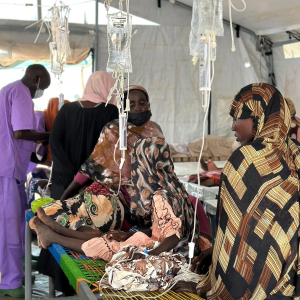
UNICEF Condemns Deadly Market Attack That Killed Children in Sudan

UNICEF has condemned a drone attack on a market in Ar Rahad, North Kordofan, that reportedly killed at least two children and injured six others, warning that Sudan’s escalating conflict continues to exact a devastating toll on children.
In a statement issued on Tuesday, UNICEF Representative in Sudan Sheldon Yett said the attack also reportedly claimed the lives of four adults and injured more than 20 other people.
“The latest attack is a stark reminder of the deadly toll the conflict continues to have on children across Sudan,” Yett said, stressing that markets are essential civilian spaces where families buy food, earn a living, and meet basic needs, and should never become sites of violence.
UNICEF said the recent escalation of fighting in and around Al Obeid has drawn international attention, but warned that children remain at grave risk in many other conflict-affected areas across Sudan.The agency highlighted worsening humanitarian conditions in Dilling and Kadugli in South Kordofan, parts of North Darfur, and areas of Blue Nile, where ongoing violence has led to displacement, insecurity, and increasing humanitarian needs.
According to UNICEF, the conflict continues to destroy homes, schools, health facilities, water systems, and markets, depriving children of access to healthcare, education, nutrition, safe drinking water, and sanitation services. The violence has also forced more families to flee their homes while exposing children to trauma and uncertainty.
The agency further warned that insecurity along key supply routes is disrupting the delivery of humanitarian assistance. Attacks on transport corridors are limiting the movement of aid workers and essential relief supplies, making it increasingly difficult to reach communities with urgent needs.
UNICEF renewed its call for the protection of children and civilians, urging all parties to the conflict to respect international humanitarian law and ensure safe humanitarian access to vulnerable populations across Sudan.