Greater Horn of Africa Faces Worsening Hunger and Health Crisis as 37.8 Million People Need Urgent Aid
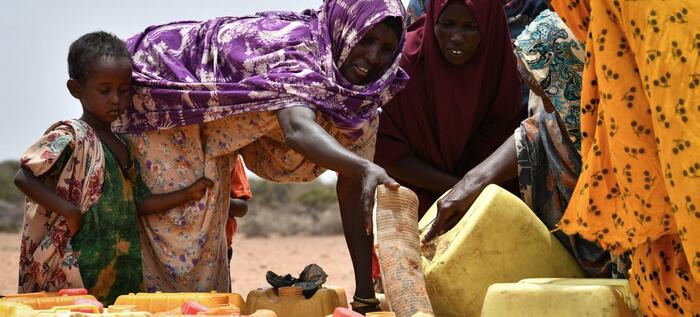
Credit: Relief Web
By Sasuk Taban
More than 37.8 million people across the Greater Horn of Africa are experiencing acute food insecurity as a worsening hunger and public health emergency grips the region, according to the World Health Organization (WHO).
The WHO has classified the situation as a Grade 2 emergency, affecting Djibouti, Ethiopia, Kenya, Somalia, South Sudan, and Sudan, where conflict, climate shocks, disease outbreaks, and limited humanitarian access continue to deepen the crisis.
Across the region, an estimated 4.9 million children are suffering from acute malnutrition, including 1.5 million children who require urgent treatment for severe acute malnutrition. At the same time, recurring outbreaks of cholera, measles, and malaria are placing additional pressure on already fragile health systems.
Sudan remains the hardest-hit country, with 19.1 million people facing acute food insecurity as conflict continues to disrupt livelihoods and humanitarian operations.
In South Sudan, approximately 7.8 million people are experiencing severe food insecurity, with some areas reportedly facing IPC Phase 5 (Catastrophe/Famine) conditions. Ongoing conflict, flooding, displacement, and economic hardship have left millions dependent on humanitarian assistance.
In Somalia, 6.6 million people are affected by acute hunger, while Burhakaba district is considered at risk of famine. In Kenya, around 4.1 million people are facing severe food shortages, worsened by destructive flooding that has damaged crops and infrastructure.
Meanwhile, Ethiopia is reporting a sharp rise in severe malnutrition cases during the lean season, driven by conflict and climate-related shocks. In Djibouti, about 230,000 people are experiencing acute food shortages amid prolonged drought and severe water scarcity.
To sustain life-saving operations across the region through December 2026, the WHO is appealing for US$25.4 million in emergency funding. Of this amount, US$9.7 million will support essential health services and Nutrition Stabilization Centres, while US$5 million will strengthen disease surveillance and rapid outbreak response systems.
The agency warned that continued conflict, restricted humanitarian access, and critical funding shortages are severely limiting relief efforts, leaving millions of vulnerable people at increased risk of hunger, disease, and death.
WHO has called on international partners and donors to urgently scale up support to prevent the crisis from worsening and to ensure affected communities receive timely food, nutrition, and healthcare assistance.