Livestock, Wildlife Country’s sources of economic growth –Robert says
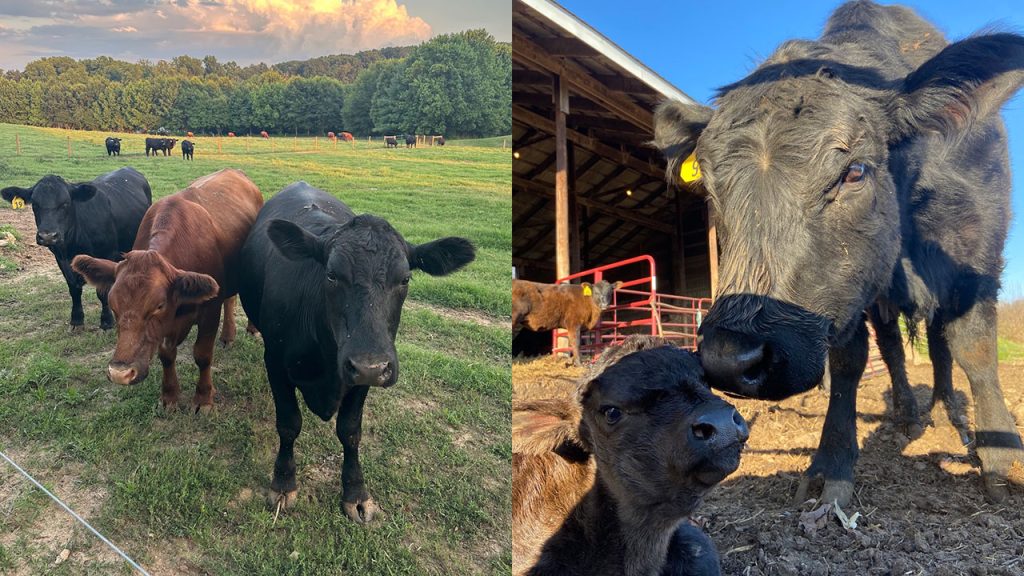
Credit: Fox Business
By Kidega Livingstone
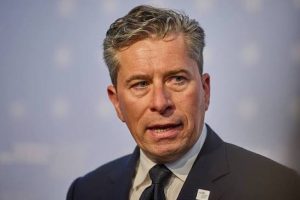
The Chairperson of the South Sudan Land Commission, Robert Ladu, has described the country’s livestock and wildlife resources as critical pillars for South Sudan’s economic growth and sustainable development.
Speaking during a public event, Ladu said the government should prioritize the protection and sustainable management of wildlife and livestock to unlock their full economic potential. He noted that the two sectors can significantly contribute to national revenue through tourism, livestock exports, and job creation.
“South Sudan is endowed with abundant wildlife and one of the largest livestock populations in Africa. If these resources are properly managed and protected, they can become major drivers of economic development,” Ladu said.
He urged the government to strengthen conservation efforts, combat illegal wildlife poaching, and invest in veterinary services, livestock infrastructure, and animal health to improve the quality of livestock products for regional and international markets.
Ladu also emphasized the need to promote eco-tourism by protecting the country’s national parks and wildlife reserves, saying South Sudan’s rich biodiversity has the potential to attract international tourists and investors.
South Sudan is home to millions of cattle, goats, and sheep, which provide livelihoods for a large proportion of the population. The country also hosts diverse wildlife species, including elephants, giraffes, antelopes, buffaloes, and one of the world’s largest annual antelope migrations. However, challenges such as insecurity, climate change, inadequate infrastructure, livestock diseases, and illegal poaching continue to hinder the full development of both sectors.
Experts have long argued that increased investment in livestock production, wildlife conservation, and tourism infrastructure could help diversify South Sudan’s economy beyond its dependence on oil while creating employment opportunities and improving rural livelihoods.