Humanitarian Access Worsens Across South Sudan as Violence Claims Eight Aid Workers in June
Credit: Human Rights Watch
Humanitarian access across South Sudan deteriorated sharply in June 2026 as armed conflict, attacks on aid workers, bureaucratic restrictions, and seasonal flooding disrupted life-saving assistance across the country, according to the latest Humanitarian Access Snapshot released by the UN Office for the Coordination of Humanitarian Affairs (OCHA).
OCHA recorded 63 humanitarian access incidents during the month, with the highest numbers reported in Upper Nile, Jonglei, Unity, and the Greater Equatoria region. The agency said insecurity continued to hinder humanitarian operations and limit access to vulnerable communities.
One of the most serious incidents occurred on 7 June, when escalating violence and a relocation order forced humanitarian health workers to withdraw from Chuil in Nyirol County, Jonglei State. The withdrawal left approximately 25,000 conflict-affected people with little or no access to essential health services.
Violence against humanitarian personnel also reached alarming levels. Eight aid workers were killed during June—seven in Jonglei State and one in Eastern Equatoria—making it the deadliest month for humanitarian workers in recent years. The fatalities brought the total number of aid workers killed in the first half of 2026 to 30.
The report also documented the abduction of three humanitarian staff members in Yei, Central Equatoria State, where kidnappers demanded a ransom of USD 20,000. In separate incidents, 11 humanitarian workers were temporarily detained, while four others sustained injuries during attacks in Duk County, Pibor County, and the Greater Pibor Administrative Area.
Bureaucratic and administrative obstacles further delayed humanitarian operations. Restrictions on transporting fuel, communications equipment, and cash affected the delivery of assistance to more than 21,300 people, including internally displaced persons in Jonglei State and returnees in Akobo County. Authorities in Upper Nile also directed humanitarian organizations to deduct 20 percent of casual workers’ daily wages as a local tax, while Unity State introduced new recruitment requirements for NGOs.
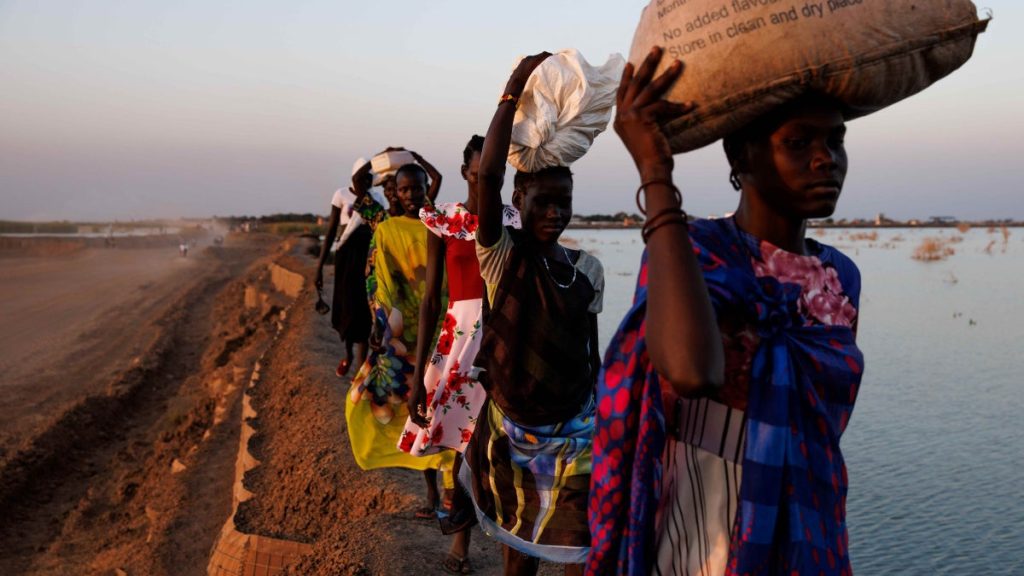
Heavy rains and deteriorating road conditions compounded the challenges, restricting access to the former Protection of Civilians (PoC) site in Malakal and delaying aid deliveries to more than 20,000 people in Udier and Mathiang. Along the Sobat River, nine illegal checkpoints continued to obstruct humanitarian movements in Ulang and Nasir counties, while community roadblocks in Kapoeta East County temporarily disrupted aid deliveries in Eastern Equatoria.
According to OCHA, humanitarian access incidents increased by 62 percent during the first half of 2026 compared to the same period in 2025, highlighting the growing challenges facing relief agencies and the urgent need to protect humanitarian workers and ensure safe, unhindered access to people in need.