Water Crisis Threatens Ebola Response as DRC Outbreak Tops 2,000 Cases
By Sasuk Taban
Oxfam has warned that severe shortages of clean water, sanitation facilities, and funding are undermining efforts to contain the ongoing Ebola outbreak in eastern Democratic Republic of the Congo (DRC), where more than 2,000 cases have now been confirmed.
In a statement released on Thursday, the humanitarian organization said up to 20,000 people in Bunia are relying on a single water source located inside an Ebola treatment centre because they have no alternative access to safe drinking water.
Oxfam said many health facilities in Ebola hotspot areas still lack clean water and sanitation services, increasing the risk of further transmission of the deadly virus.
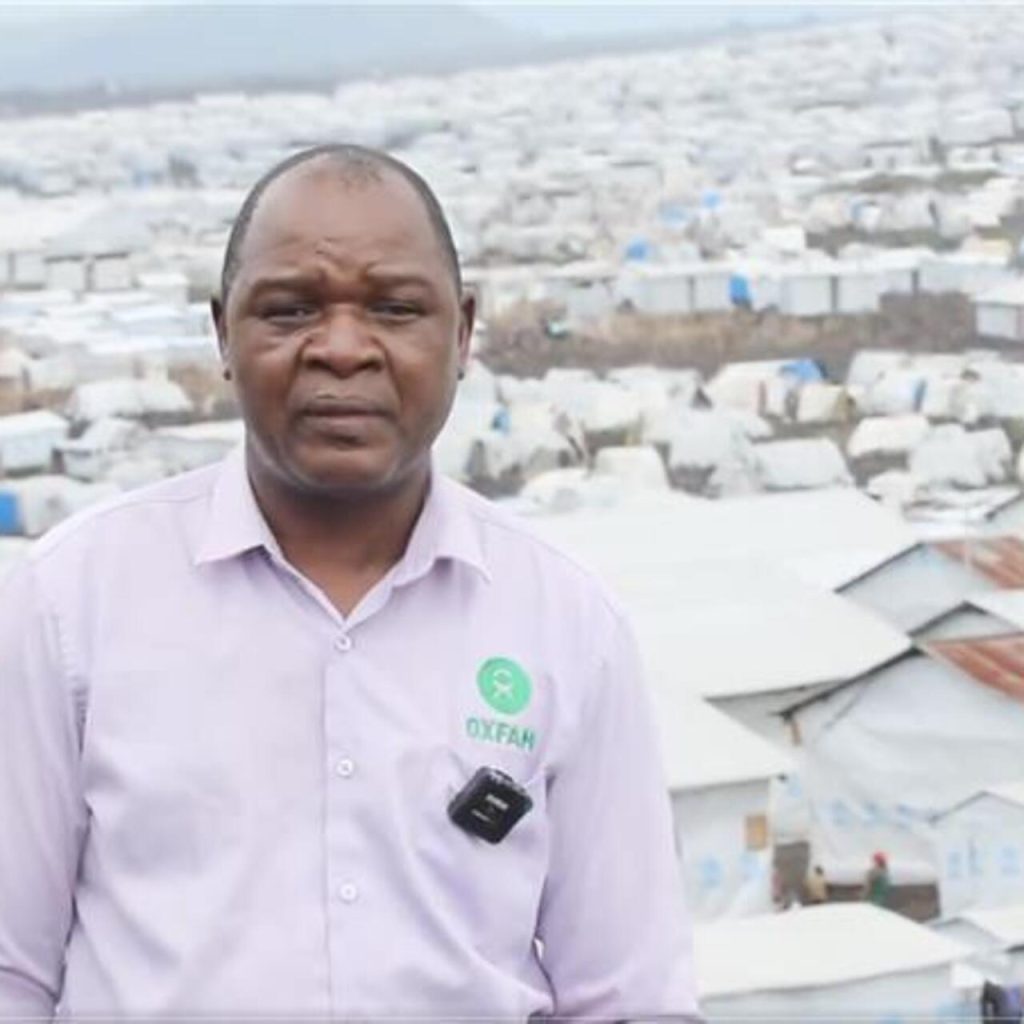
“Without clean water and functioning sanitation, the basic conditions needed to halt transmission of the Ebola virus simply do not exist,” said Dr. Manenji Mangundu, Oxfam’s Country Director in the DRC.
According to the DRC Ministry of Health, the outbreak has so far recorded 2,011 confirmed Ebola cases and 754 deaths across 42 health zones in eastern DRC, with nearly 70 new infections reported daily.
The virus has spread beyond its original epicentre into Tshopo and Haut-Uélé provinces, with the latest confirmed cases reported in Kisangani, a city of more than 1.6 million people. The expansion has brought the outbreak closer to the borders with South Sudan and the Central African Republic, raising concerns about the risk of cross-border transmission.
Although contact tracing has reached about 80 per cent of identified contacts, Oxfam said the coverage remains below the 90 per cent achieved during the 2018 Ebola outbreak, leaving significant gaps in efforts to break chains of transmission.
The organization also warned that Ebola treatment centres are overwhelmed, with several facilities in North Kivu and Ituri operating at more than 130 per cent capacity. As a result, some suspected Ebola patients are unable to access specialized care and remain in their communities or are treated in poorly equipped health centres, increasing the risk of further infections.
Health workers are also facing shortages of essential protective equipment, including gloves, exposing frontline staff to greater danger.
Meanwhile, funding constraints have slowed community awareness campaigns, with NGO-led outreach reaching only 10 per cent of communities that require support. Oxfam said misinformation continues to spread as many people remain unaware of the outbreak or fear seeking treatment.
The agency is calling for urgent international funding to improve access to safe water, strengthen sanitation services, equip health facilities, and expand community engagement to prevent the outbreak from escalating further.
Oxfam estimates it requires €10 million to restore critical water and sanitation services in the affected health zones while continuing public education and community-based Ebola prevention activities.