South Sudan Continues to Provide Refuge to More Than 654,000 People Fleeing Conflict
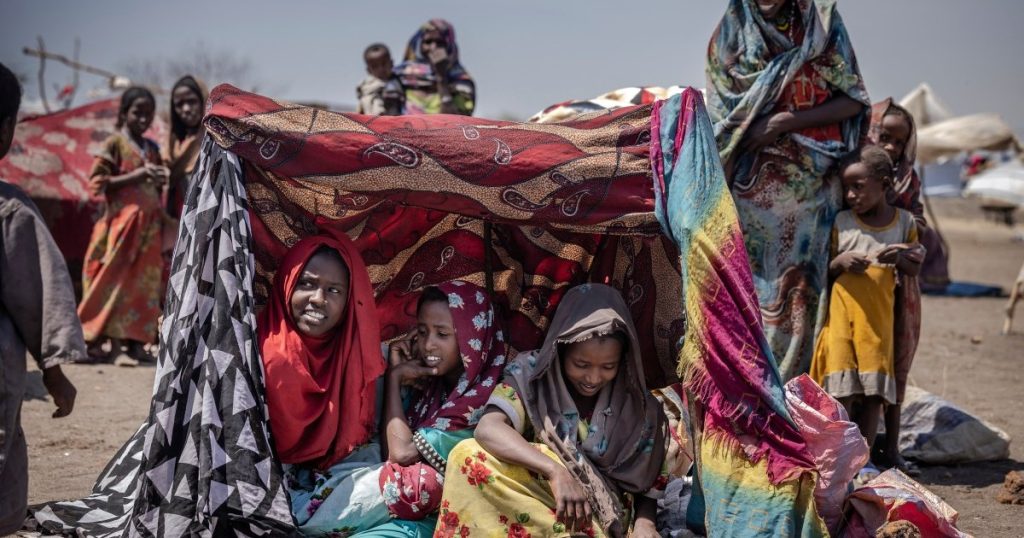
Credit: Al Jazeera
South Sudan continues to provide protection to people forced to flee conflict and persecution, hosting 654,037 refugees and asylum-seekers as of 30 June 2026, according to the latest UNHCR South Sudan Population Overview.
The refugee population comprises 650,267 registered refugees and 3,770 asylum-seekers living across 30 locations in the country. Sudanese refugees account for 95 per cent of the total population, with 615,046 people having sought safety in South Sudan following the ongoing conflict in neighbouring Sudan. Refugees from the Democratic Republic of the Congo, Ethiopia, Eritrea and the Central African Republic also continue to receive protection in the country.
Women and children remain disproportionately affected by displacement, representing 75 per cent of the refugee population. Approximately 10 per cent of refugees have specific protection needs, including persons living with disabilities, older persons at risk, women at risk, and individuals with serious medical conditions.
The Government of South Sudan continues to grant prima facie refugee status to those fleeing the conflict in Sudan, ensuring access to protection and humanitarian assistance. As part of ongoing registration efforts, 448,343 refugees and asylum-seekers aged five years and above have been enrolled through biometric registration, supporting effective protection and service delivery.
Doro remains the country’s largest refugee settlement, hosting 106,056 refugees, followed by Renk and Pamir. Juba Town hosts the highest number of asylum-seekers, reflecting the diverse settlement patterns across South Sudan.
The latest figures also highlight the skills and resilience of the refugee population. Many refugees have backgrounds in agriculture, fishing and teaching, offering opportunities to strengthen self-reliance and contribute to local economies when supported through livelihoods and inclusion programmes. At the same time, education remains a priority, with continued efforts needed to expand access to secondary, vocational and higher education for refugee children and youth.
As displacement across the region continues, the updated population figures underscore the importance of sustained support for refugees and the communities hosting them, ensuring access to protection, essential services and opportunities to rebuild their lives with dignity.