South Sudan Faces Africa’s Highest Food Insecurity Burden as Prices Remain Elevated – AGRA Report
Credit: WSJ
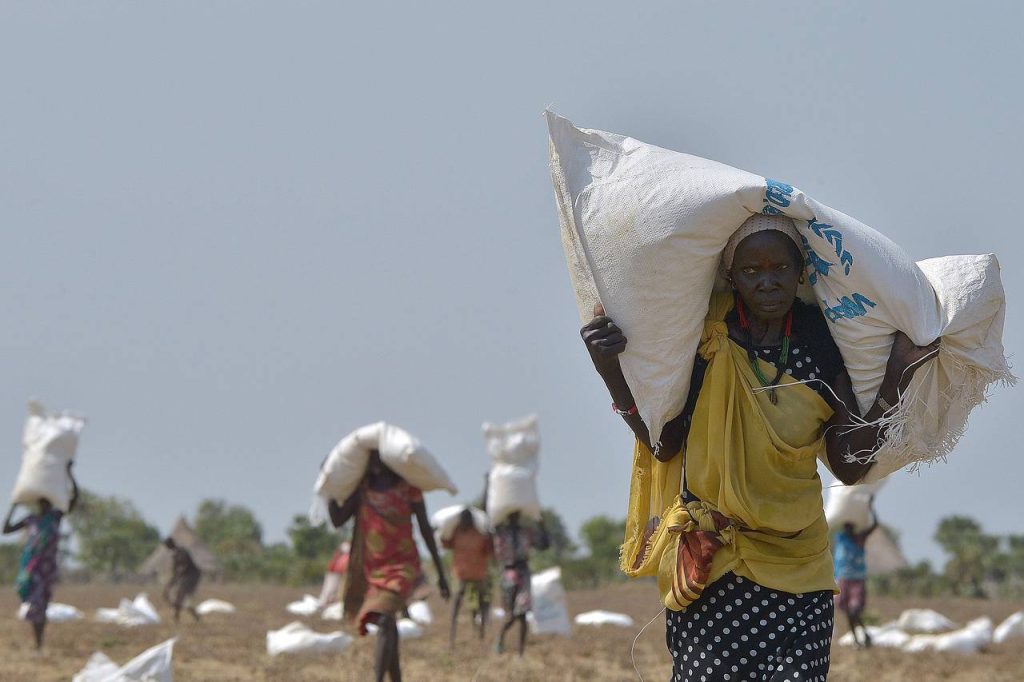
South Sudan continues to face the most severe food insecurity crisis in Africa, with an estimated 7.9 million people—representing 55 percent of the population—experiencing Crisis (IPC Phase 3) or worse levels of food insecurity, according to the latest Food Security Monitor – June 2026 by the Alliance for a Green Revolution in Africa (AGRA).
The report identifies South Sudan as the continent’s most severely affected country in proportional terms, despite Nigeria recording the highest absolute number of food-insecure people. It attributes the worsening situation to conflict, displacement, economic decline, high food and fuel prices, flooding, and emerging drought conditions.
According to the report, food assistance will be required for between 8.0 and 8.99 million people through September 2026. Emergency (IPC Phase 4) conditions are expected across 26 counties, while some inaccessible areas of Jonglei and Upper Nile states face Catastrophe (IPC Phase 5), with a credible risk of famine if conflict intensifies and humanitarian access remains limited.
South Sudan also recorded the highest maize prices among monitored African countries at US$1,135 per metric tonne, while maize prices rose 4.3 percent in June and were 34.9 percent higher than a year earlier, reflecting persistent supply shortages and inflationary pressures. Rice prices also increased, climbing 12.2 percent year-on-year.
The report warns that acute malnutrition has reached extremely critical levels in counties including Akobo, Nyirol, Fangak, and Nasir, driven by conflict, disease outbreaks, poor health services, and inadequate water and sanitation.
Across East Africa, AGRA notes that while improved harvests have eased staple food prices in several countries, South Sudan remains an exception due to inflation, conflict-related disruptions, and constrained market supplies.
The report further cautions that a developing El Niño event, expected to persist through late 2026 and early 2027, could worsen food insecurity across the region through below-average rainfall, higher temperatures, and increased risks of flooding, threatening agricultural production and livelihoods.