Ethiopia Vaccinates Over One Million Children in Joint Polio Campaign with South Sudan
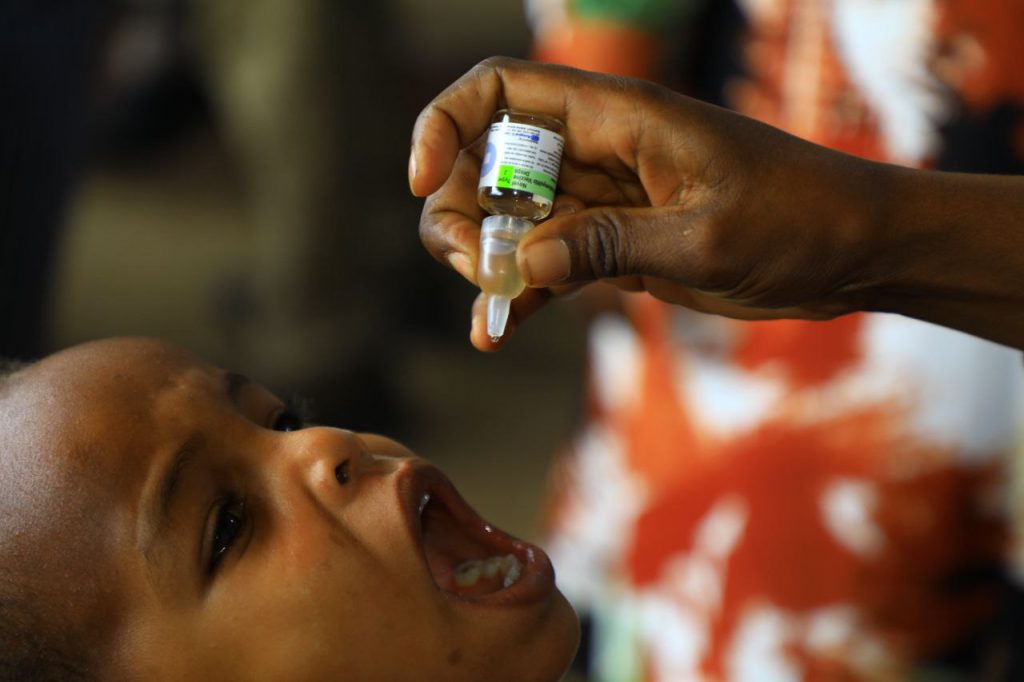
Ethiopia has vaccinated more than one million children under the age of five during a synchronized cross-border polio vaccination campaign with South Sudan aimed at preventing the spread of variant poliovirus in high-risk communities.
According to the World Health Organization (WHO), the campaign was conducted from 7 to 10 May 2026 using the bivalent Oral Polio Vaccine (bOPV) and targeted children in Gambella, Benishangul-Gumuz, and the West Wollega and Kelem Wollega zones of Oromia Region, including refugee camps and border communities.
The campaign followed the detection of circulating vaccine-derived poliovirus type 1 (cVDPV1) in South Sudan in March and April 2026, with some cases reported near the Ethiopian border. WHO also noted that five cVDPV1 cases have been detected in Gambella among South Sudanese refugee children, increasing concerns over cross-border transmission.
At the campaign’s launch in Gambella, WHO Ethiopia Representative Professor Francis Kasolo, through WHO GPEI Coordinator Dr. Fadinding Manneh, said the vaccination drive was a proactive effort to protect children living in highly mobile border communities and refugee settlements.
Gambella Regional Health Bureau Head Dr. Abel Assefa described the synchronized campaign as critical for protecting children most at risk, emphasizing the importance of cooperation between Ethiopia, South Sudan and development partners to stop the spread of the virus.
Health authorities from both countries coordinated planning, mapped migration routes and border crossing points, and deployed special vaccination teams to reach mobile populations, remote riverine communities and refugee settlements.
According to preliminary data, 1,026,885 children received the oral polio vaccine, representing 101 per cent of the campaign target.
WHO, working alongside the Ethiopian Public Health Institute, UNICEF, the Global Polio Eradication Initiative, and the Gates Foundation, supported the campaign through funding, vaccine procurement, logistics, health worker training, supervision and disease surveillance.
The campaign also integrated other essential health services, including identifying children who had missed routine immunizations, screening for tuberculosis, and referring patients for treatment of obstetric fistula and clubfoot.
Health authorities say the successful campaign reflects Ethiopia’s continued commitment to polio eradication and to strengthening cross-border collaboration to protect vulnerable populations, particularly children living in refugee camps and border areas.