Gov’t Calls for Long-Term Investment to Curb Farmer-Pastoralist Conflicts
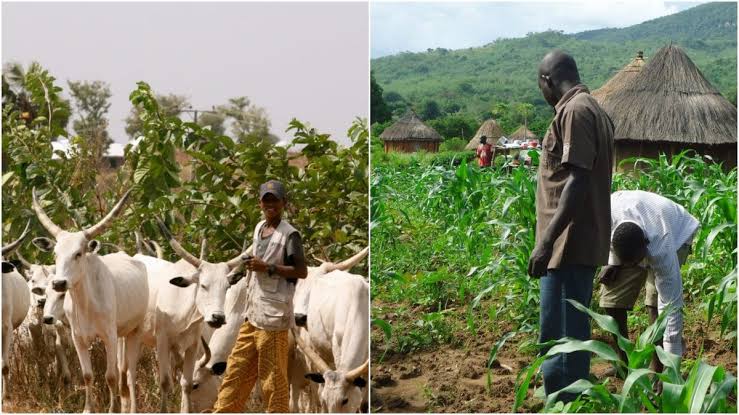
Credit: Access Agric
By Kidega Livingstone
The Government of South Sudan has called for sustained long-term investment in natural resource management, institutional strengthening, and ecosystem restoration to address recurring conflicts between farmers and pastoralist communities across the country.
The appeal was made during the National Dialogue on Rangelands, Pastoralism and Wildlife Conservation, organized by the Food and Agriculture Organization (FAO) in Juba. The forum brought together government officials, development partners, traditional leaders, and technical experts to discuss sustainable approaches to managing land, livestock, and wildlife resources.
Speaking at the event, Minister of Livestock and Fisheries Onyoti Adigo Nyikec said many of the country’s violent communal conflicts are rooted in cattle raiding, competition over grazing land and water resources, and the growing impacts of climate change.
He noted that recurring disputes between pastoralist and farming communities continue to undermine peace, food production, and livelihoods.
“Most of the killings in South Sudan involving local communities are related to livestock, whether through cattle raiding or conflicts between pastoralists and farmers. These challenges are driven by climate change, competition over natural resources, and inadequate infrastructure,” Onyoti said.
The minister stressed that humanitarian assistance alone cannot resolve the crisis, calling instead for long-term development investments.
“These challenges cannot be addressed through humanitarian interventions alone. They require long-term investments aimed at strengthening institutions, restoring ecosystems, and promoting sustainable management of natural resources,” he said.
Minister of Lands, Housing and Urban Development Michael Changjiek Gai said his ministry has developed a national land policy that recognizes the rights and interests of all land users, including landowners, pastoralists, farmers, and wildlife authorities.
He emphasized that equitable access to land and natural resources is key to promoting peaceful coexistence and sustainable development.
“The government and all stakeholders must continue engaging in dialogue to agree on practical ways for farmers and pastoralists to coexist peacefully. Conflicts over water, grazing land, and farmland should be resolved through cooperation rather than violence,” Changjiek said.
Chairperson of the South Sudan Land Commission Robert Ladu Lwoki urged the government to diversify the country’s economy by investing in livestock, agriculture, and wildlife conservation.
He noted that although South Sudan has one of Africa’s largest livestock populations, the sector remains underdeveloped and contributes little to the country’s export earnings.
“We have millions of head of cattle, yet we export almost none of them. What we hear about our cattle is conflict, cattle raids, and loss of lives instead of economic opportunities,” Ladu said.
He added that improving livestock production, strengthening animal health services, expanding value addition, and improving market access could transform the livestock sector into a major source of national revenue, employment, and food security.
FAO Representative in South Sudan Felix Dzvurumi described the dialogue as an important platform for promoting sustainable pastoralism, ecosystem conservation, indigenous knowledge, and wildlife protection.
“This dialogue provides an opportunity to recognize people, landscapes, wildlife, knowledge systems, and livestock as essential pillars of livelihoods that will help safeguard this country for future generations,” Dzvurumi said.
He added that, with sound policies and adequate investment, sustainable pastoralism can make a significant contribution to food security, environmental conservation, and economic growth.
South Sudan continues to experience frequent tensions between pastoralists and farming communities, particularly during seasonal cattle migration as herders move in search of pasture and water. Experts say climate change, prolonged droughts, rapid population growth, weak land governance, and inadequate infrastructure have intensified competition over natural resources, underscoring the need for stronger policies and long-term investments to promote peaceful coexistence and sustainable land management.