Emergency, Famine Risk to Persist in Sudan Through January 2027, FEWS NET Warns
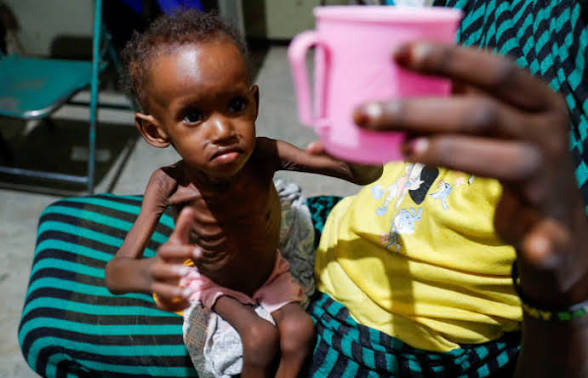
Credit: WSJ
Sudan is expected to remain gripped by a severe food security crisis through January 2027, with millions of people requiring urgent humanitarian assistance and a credible risk of famine persisting in some of the country’s worst conflict-affected areas, according to a new Food Security Outlook released by the Famine Early Warning Systems Network (FEWS NET).
The report estimates that between 22.0 and 22.99 million people will require humanitarian food assistance through September 2026 as conflict, displacement, economic collapse, and restricted humanitarian access continue to worsen hunger across the country.
FEWS NET projects that Emergency (IPC Phase 4) food insecurity will expand across much of North Darfur, parts of Central, South and East Darfur, Greater Kordofan, and Blue Nile. Some households in North Darfur, South Kordofan, North Kordofan, and among internally displaced populations in Greater Darfur and Greater Kordofan are expected to face Catastrophe (IPC Phase 5), the most severe level of acute food insecurity.
The report also warns of a credible risk of Famine (IPC Phase 5) in seven areas of North Darfur and in Dilling and Kadugli in South Kordofan if conflict intensifies or prolonged sieges further restrict trade, humanitarian aid, and civilian movement.
According to FEWS NET, the more than three-year conflict between the Sudanese Armed Forces (SAF) and the Rapid Support Forces (RSF) continues to devastate livelihoods, destroy infrastructure, disrupt markets, and block humanitarian operations. Increasing drone attacks have further expanded the conflict’s impact, targeting markets, hospitals, bridges, fuel depots, and other critical infrastructure.
The report notes that around 8.8 million people remain internally displaced, despite millions of returnees since late 2024, while thousands continue fleeing to neighboring Chad and South Sudan as fighting intensifies.
Food production is also expected to remain below average due to insecurity, limited access to farmland, shortages of agricultural inputs, and forecasts of below-average rainfall linked to El Niño conditions.
Humanitarian agencies reached about 3.2 million people with food or cash assistance in May, representing less than 20 percent of those estimated to be in need. FEWS NET warned that funding shortfalls and continued insecurity are likely to reduce humanitarian operations later this year.
The agency projects that food insecurity will remain severe through the October-to-January harvest period in conflict-affected regions, where ongoing violence is expected to prevent households from benefiting from seasonal harvests.
FEWS NET concluded that without improved humanitarian access, sustained funding, and a reduction in hostilities, millions of Sudanese will continue to face life-threatening hunger and worsening malnutrition over the coming months.