Nearly 9 Million People in South Sudan Expected to Need Food Aid Through September – FEWS NET
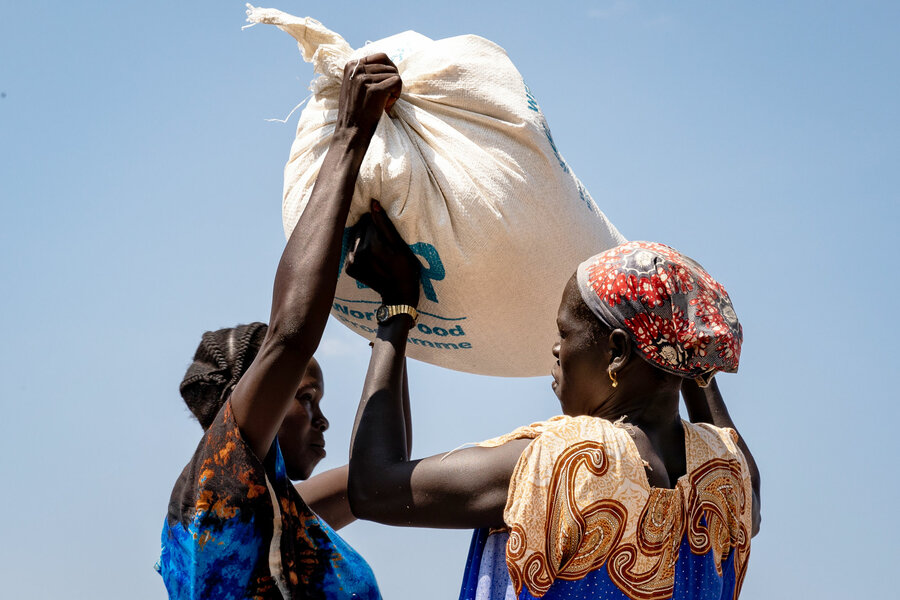
Credit: WFP
An estimated 8.0 to 8.99 million people in South Sudan will require humanitarian food assistance through September 2026 as conflict, displacement, economic hardship and adverse weather continue to drive severe hunger across the country, according to the latest Food Security Outlook by the Famine Early Warning Systems Network (FEWS NET).
The report warns that Emergency (IPC Phase 4) levels of acute food insecurity are expected in 26 counties during the current lean season. Although humanitarian food assistance is expected to reduce the severity of hunger in 10 counties to Crisis! (IPC Phase 3!), conditions remain critical in many conflict-affected areas.
FEWS NET identified Akobo, Nyirol and Uror counties in Jonglei State, as well as Nasir and Ulang in Upper Nile State, as the areas of greatest concern, where some populations in inaccessible locations are expected to face Catastrophe (IPC Phase 5), the most severe level of food insecurity before famine.
The report also highlighted alarming levels of acute malnutrition, particularly among children. In Akobo County, a recent nutrition screening of 13,400 children found that 35 percent were acutely malnourished. Extremely critical levels of global acute malnutrition are also expected in parts of Jonglei and Upper Nile states due to conflict, displacement, poor access to healthcare, disease outbreaks and inadequate water and sanitation services.
According to FEWS NET, South Sudan’s worsening food crisis is being driven by continued conflict, widespread displacement, rising food and fuel prices, a deteriorating economy, seasonal flooding and emerging drought conditions linked to below-average rainfall.
The report further warned that Emergency (IPC Phase 4) outcomes are likely to persist through January 2027, with harvests expected to remain below average because of insecurity, displacement, El Niño-related weather conditions and flooding.
FEWS NET cautioned that a credible risk of Famine (IPC Phase 5) remains in Akobo, Nyirol, Nasir and Ulang if conflict intensifies, humanitarian access is further restricted, markets fail to recover and communities remain unable to access food and livelihoods for a prolonged period.
The report estimates that the number of people requiring humanitarian food assistance could decline slightly to between 7.0 and 7.99 million by January 2027 if seasonal harvests and planned humanitarian interventions proceed as anticipated.