South Sudan Ends Non-Statutory Tax Exemptions to Boost Revenue, Ensure Timely Salary Payments
By Roselyn Oboy
The Government of South Sudan has announced new measures to increase non-oil revenue, including ending non-statutory tax exemptions, as part of efforts to ensure the timely payment of salaries to civil servants.
The decision was reached during a meeting of the Ministerial High-Level Committee on Economic Reforms, chaired by the Minister of East African Community Affairs, Hon. Gen. Pieng Deng Kuol. The committee was established by the President to oversee the implementation of economic reforms.
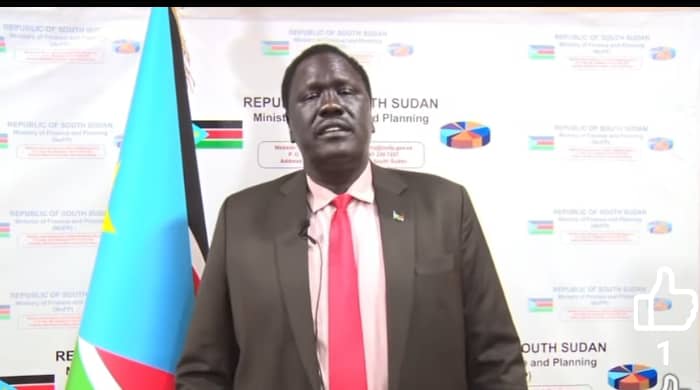
Speaking after the meeting, the Minister of Public Service and Human Resource Development, Hon. Ezekiel Gatkuoth, who serves as the committee’s acting secretary, said members agreed on a number of measures to strengthen government revenue collection and improve salary payments.
“We met today to look into what we can do to make sure that the timely payment of salaries is realized as instructed by the President,” Gatkuoth said.
He said the committee resolved to abolish non-statutory tax exemptions previously granted through the Ministry of Finance and Planning and the South Sudan Revenue Authority.
“We have resolved today to increase our non-oil revenues. We have to stop the non-statutory exemptions,” he said.
Under the new directive, all business owners importing goods into South Sudan through border entry points, including Nimule, will be required to pay the applicable taxes.
“As of today, if you are in Nimule or any border and you are a business owner bringing in goods for sale, you must pay tax,” Gatkuoth said.
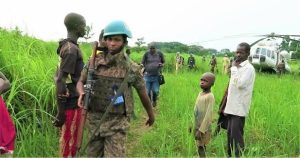
He clarified that only exemptions provided for under the law will remain in place. These include exemptions under the Status of Forces Agreement (SOFA), humanitarian organizations importing food and relief supplies, United Nations agencies, and UN-funded projects implemented by non-governmental organizations.
Gatkuoth emphasized that ensuring the timely payment of government employees is a key priority, describing salaries as a fundamental right of public servants.
“It is very important that salaries must be paid on time because these are the rights of individuals working for the Government of the Republic of South Sudan,” he said.
He added that the Ministerial High-Level Committee will continue implementing economic reforms aimed at strengthening public finances, improving service delivery, and enhancing the welfare of the people of South Sudan.