South Sudan Health Experts Urge Lower Cost Treatment and Better Care for Sickle Cell Patients
By Roselyn Oboy
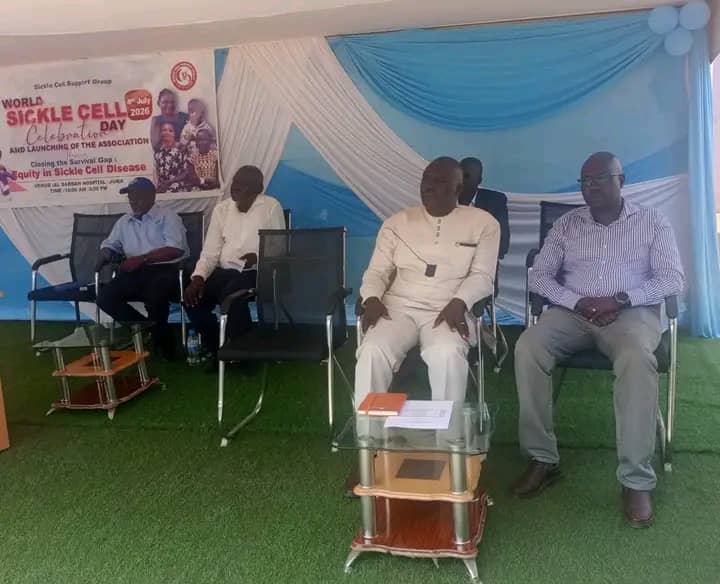
South Sudan has taken a significant step in addressing sickle cell disease with the launch of its first Sickle Cell Support Group during the country’s official commemoration of World Sickle Cell Day at Al-Sabah Children’s Hospital in Juba.
The event brought together government officials, healthcare professionals, patients, parents and development partners to raise awareness about the disease and advocate for better diagnosis, treatment and long-term care.
Speaking during the event, the head of the Haematology and Oncology Unit at Al-Sabah Children’s Hospital, Dr Joseph Gore, said South Sudan still does not know the national prevalence of sickle cell disease due to limited data collection.
He noted that more than 300 cases have been confirmed in Juba but warned that many patients continue to struggle to access treatment, particularly blood for transfusions.
“Getting blood is not easy. Sometimes you have to go to Al-Sabah, then to the National Blood Bank, sometimes to the military, and you still cannot find blood,” Dr Gore said.
He also highlighted the absence of a national policy and treatment guidelines for sickle cell disease, saying the gap continues to affect patient care across the country.
The newly launched Sickle Cell Support Group called on the government and development partners to make essential medicines more affordable and accessible.
The group’s Chairperson, Joseph Noel, appealed for key medicines such as folic acid and Hydroxyurea to be provided free of charge or at subsidised prices.
“We want to see the medication that Dr Joseph mentioned, the folic acid, the Hydroxyurea and the rest, available, if not free of charge, then at a subsidised price,” Noel said.
The support group is expected to provide a platform for patients and families to share experiences, promote awareness, reduce stigma and advocate for improved healthcare services for people living with sickle cell disease in South Sudan.