𝐒𝐨𝐮𝐭𝐡 𝐒𝐮𝐝𝐚𝐧 𝐩𝐮𝐬𝐡𝐞𝐬 𝐛𝐢𝐠𝐠𝐞𝐫 𝐡𝐞𝐚𝐥𝐭𝐡 𝐛𝐮𝐝𝐠𝐞𝐭 𝐚𝐬 𝐝𝐨𝐧𝐨𝐫 𝐟𝐮𝐧𝐝𝐢𝐧𝐠 𝐬𝐡𝐫𝐢𝐧𝐤𝐬
South Sudan’s Ministry of Health has called for increased domestic investment in sexual and reproductive health, warning that more than 80% of health services rely on external funding as global donor support declines.
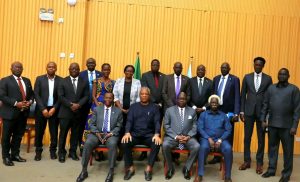
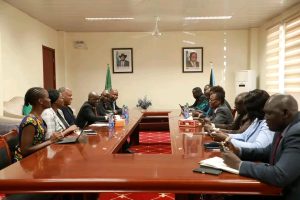
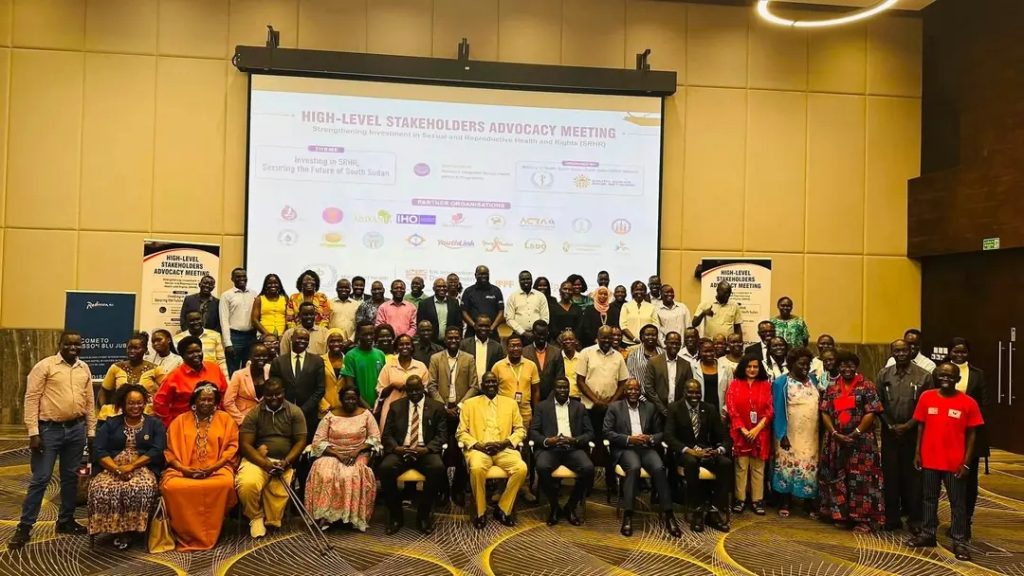
The appeal came Tuesday during a high-level advocacy meeting in Juba organized by the South Sudan SRHR Network with government, lawmakers, donors and development partners.
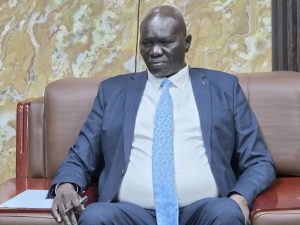
Representing the undersecretary, Director General for Reproductive Health Dr. Mading Michael said the country aims to achieve universal health coverage by 2030 but faces major financing gaps. He said over 70% of health facilities now provide basic maternal and child health services, while maternal mortality remains at 692 deaths per 100,000 live births, among the highest in the world.
“More than 80% of the health facility services delivered in the country depends on the external funding,” Michael said.
FCDO representative Dr. Wani Ayire warned that global funding cuts are disrupting reproductive health services and urged South Sudan to reduce reliance on donors. “The evidence is clear. The question is whether we will act with urgency and at scale,” he said.
National Legislative Assembly Health Committee representative Dr. Benjamin Malek Atem said South Sudan’s laws already protect women and children, arguing that stronger budget allocations and enforcement are needed. “Our laws are clear. What is left is allocations and implementation,” Malek said.