NDM Demands Electoral Reforms, Slams Bloated Government Structure
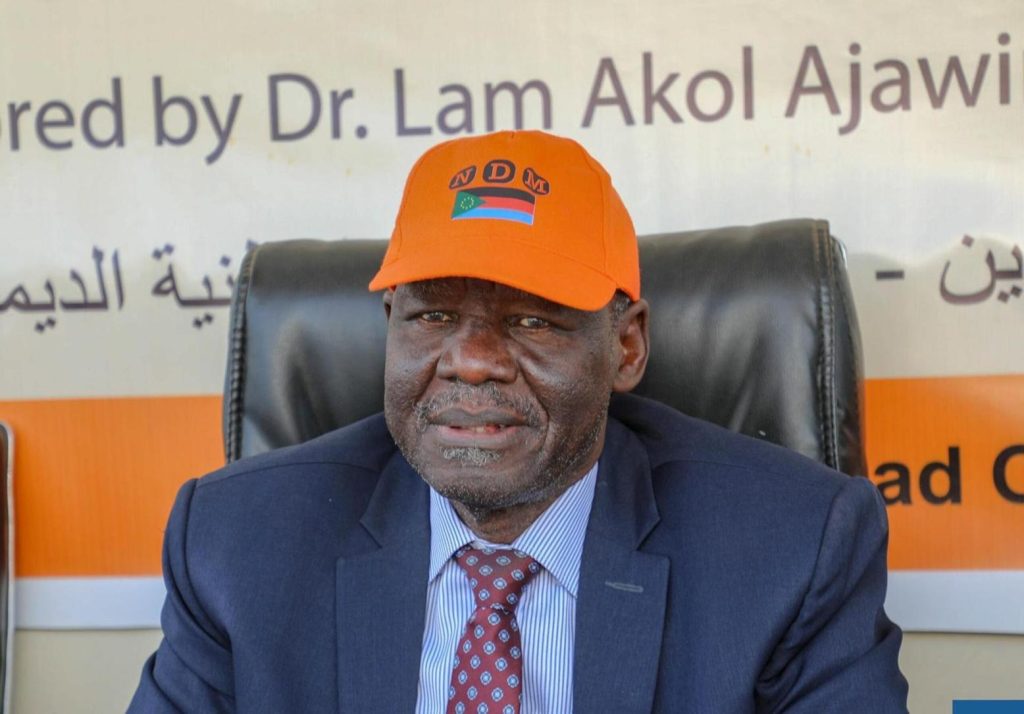
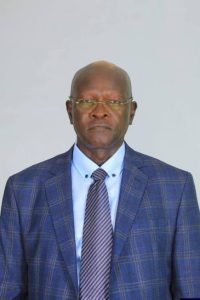
Dr. Lam Akol, Chairperson of NDM.
By Patricia Joh Kenyi
The Chairperson of the National Democratic Movement (NDM), Dr. Lam Akol, has reiterated his party’s readiness to participate in upcoming general elections, while insisting that key democratic conditions must first be established to guarantee a credible and transparent process.
Speaking to reporters upon his arrival at Juba International Airport, Dr. Akol emphasized that elections should not be treated as a one-off event, but rather as a comprehensive process requiring robust political freedoms, civic participation, and institutional readiness.
“We have always been ready to exercise the democratic process,” Dr. Akol said. “But what is the democratic process? All of us have different definitions of it. We think that elections are a process; they are not an event.”
According to the veteran opposition leader, several critical benchmarks must be achieved before South Sudan can hold credible polls. These include expanding civic and political space, granting political parties the freedom to campaign nationwide without interference, and ensuring the National Elections Commission (NEC) operates efficiently.
“You must have a wide civic space. You must have political parties campaigning freely. You must have the Electoral Commission doing its job as required,” Dr. Akol stated. He further urged the NEC to release a clear, definitive roadmap and electoral timetable to allow political organizations and citizens to adequately prepare.
Beyond institutional readiness, Dr. Akol launched a sharp critique against the country’s oversized governance structure, arguing that South Sudan cannot financially sustain its current configuration while ordinary citizens endure severe economic hardship.
“For your information, the NDM has always been against this bloated government,” he said, pointing to the massive volume of public officials at both national and state levels.
“You have 650 members of parliament, multiple ministers, five vice presidents, about 170 ministers in the states, and more than 1,000 state lawmakers. Simply put, we cannot afford that,” Dr. Akol argued. He noted that the financial strain is underscored by the fact that many public servants have gone without salaries for extended periods, highlighting an urgent need for institutional reform and proper prioritization of national revenue.
The opposition leader also raised concerns over the emergence of what he termed “manufactured parties” on the political landscape, alleging that some political entities are being artificially created without genuine grassroots support. “They are not original parties and have no following,” he added.
Dr. Akol’s remarks come as South Sudan edges closer to its first post-independence general elections—a milestone viewed by citizens and international partners as a vital step toward sustainable democratic governance and long-term stability