How Traditional Birth Attendants and Midwives Are Saving Lives in Obbo Payam
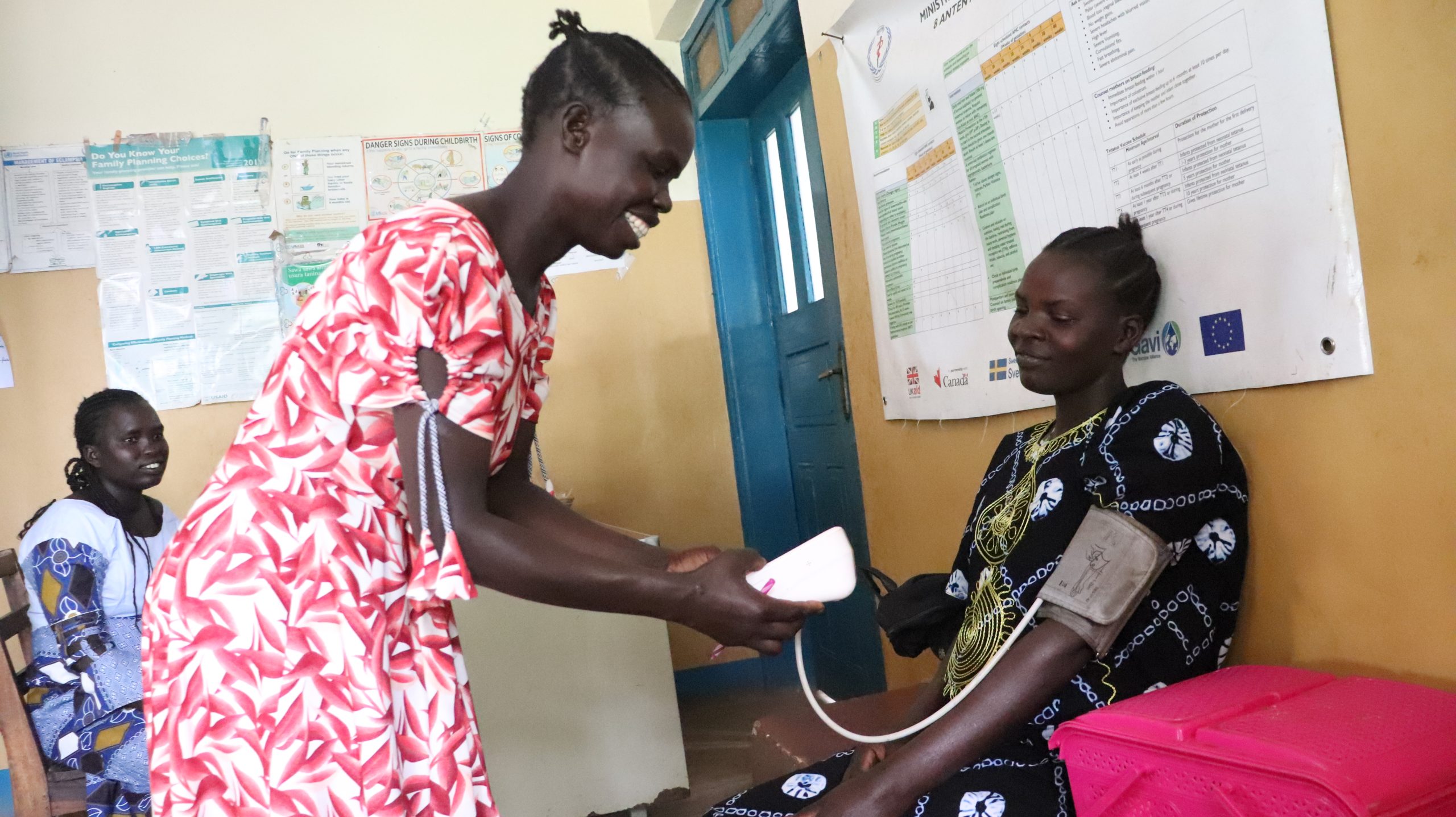
In Obbo Payam, the collaboration between traditional birth attendants and midwives is bridging the gap in a fragile health system. Although the Ministry of Health discourages home births, teamwork has encouraged more hospital deliveries, improved maternal and new-born health and has improved access to health facilities.
Joska feels an intensifying and strong sensational pain like contraction on her lower back and her abdomen. Unable to move from her location where she was peeling cassava, she shouted.
“labour is advancing. I feel I might have my child here,” she told a neighbour urging her to send one of the children to rush to Akello Lina’s home, a renowned traditional birth attendant at Pokongo village.
Joska had visited the hospital thrice before returning home citing the labour was not active and inadequate space to accommodate more women.
Obbo Payam has about 4 midwives who are located at Pokongo, Licari, Loudo, Cama Labato. These women are expected to accompany expectant mothers to the primary health centres in case of a home delivery, they also attend to these mothers, explain to them the necessary procedures or even accompany them along with their relatives to the nearest hospital in case of emergency.
67-year-old Akello Lina was thrashing her maize when an urgent call came. A neighbour rushed to her, signalling a woman in distress. Lina quickly washed her hands, put on her community-issued attire—brightly patterned African wear used to identify traditional birth attendants (TBAs)—and hurried off.
There were no cars or motorcycles in sight, only footpaths across the fields. Lina walked quickly alongside the messenger until a motorcycle finally arrived to rush her closer to the mother in need. By the time she arrived, Joska the expectant mother was fully dilated. She delivered it at home with the help of Lina. Lina then accompanied her to Obbo Primary Health Care Centre (PHCC) to ensure both mother and child received immediate medical checks and the baby’s first vaccines.
From Refugee Camps to Community Care
Lina’s story as a Traditional Birth Attendant (TBA) spans decades. She first learned birth practices from elders in her community before fleeing to Uganda in the 1980s. In Kyangwali refugee camp, she and over 30 others were trained for three years to assist women in childbirth. When she returned to South Sudan in 2008, only 10 TBAs in Obbo Payam resumed their work. Today, just four remain.
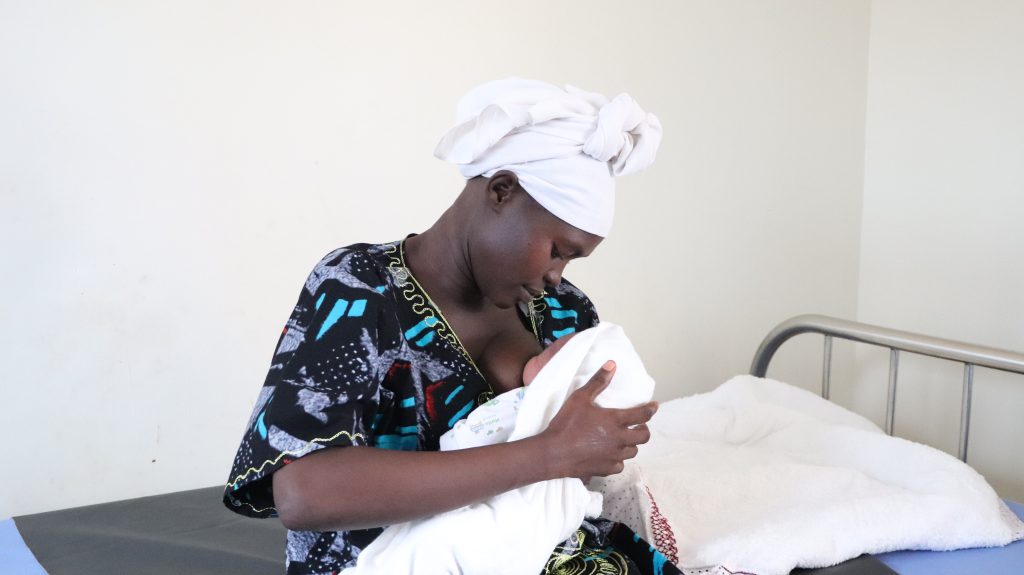
Although the Ministry of Health discourages home births, TBAs like Lina now serve as critical companions escorting pregnant women to hospitals, providing emergency support, and monitoring expectant mothers in their villages. Their presence has drastically reduced home deliveries. Since January, more than 200 babies have been delivered safely at Obbo PHCC, with fewer than 10 births occurring on the way to the hospital.
“We have gloves to respond in emergencies, but women must give birth in the hospital where complications can be managed,” Lina explained. In appreciation, families sometimes give her small tokens such as two bars of soap and about 10,000 South Sudanese pounds—but she receives no salary or government support.
Lina has helped 6 of the children delivered between home and hospital. All received their vaccines and continue to visit the hospital with her accompanying.
Currently, Obbo PHCC employs just three midwives under the Health Sector Transformation Program (HSTP), launched in 2024 by the Ministry of Health and funded primarily by the World Bank and other donors. The initiative aims to expand access to free health and nutrition services and improve hospital management.
Expectant mothers like Alonyo Hellen, eight months pregnant with her third child, are grateful but worried. “Midwives and TBAs are doing their best, but gloves and other materials are very important for our safety,” she said.
Others, like Auma Mary, who is expecting her fifth child, echoed the same concern: “We are encouraged to deliver in hospitals, but the government must do more to provide equipment and ensure a safe environment.”
National guidelines require each PHCC to have at least three certified midwives and one registered midwife, but the county currently cannot produce certified staff.
Magwi County Health Director, Okot Martin, admitted the scale of the challenges.
“In terms of midwives, there are many midwives trained. We were able to recruit 1 registered nurse and 3 certified midwives in each facility,” said Okot Martin.
Still, there is progress: staffing at Obbo PHCC has increased from 14 to 21 since the HSTP began, and no maternal deaths have been recorded this year. For families in Obbo, that’s a sign of hope.
Out of 31 functional health facilities in Magwi, only 15 are supported by HSTP in the county.