













63 criminal cases to be handled by mobile court in Upper Nile as 40 people convicted in Unity State
By Kidega Livingstone
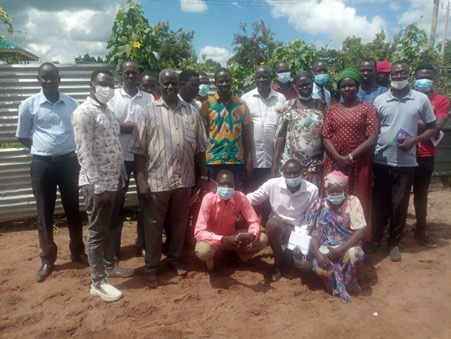
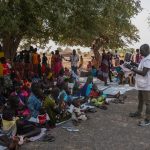
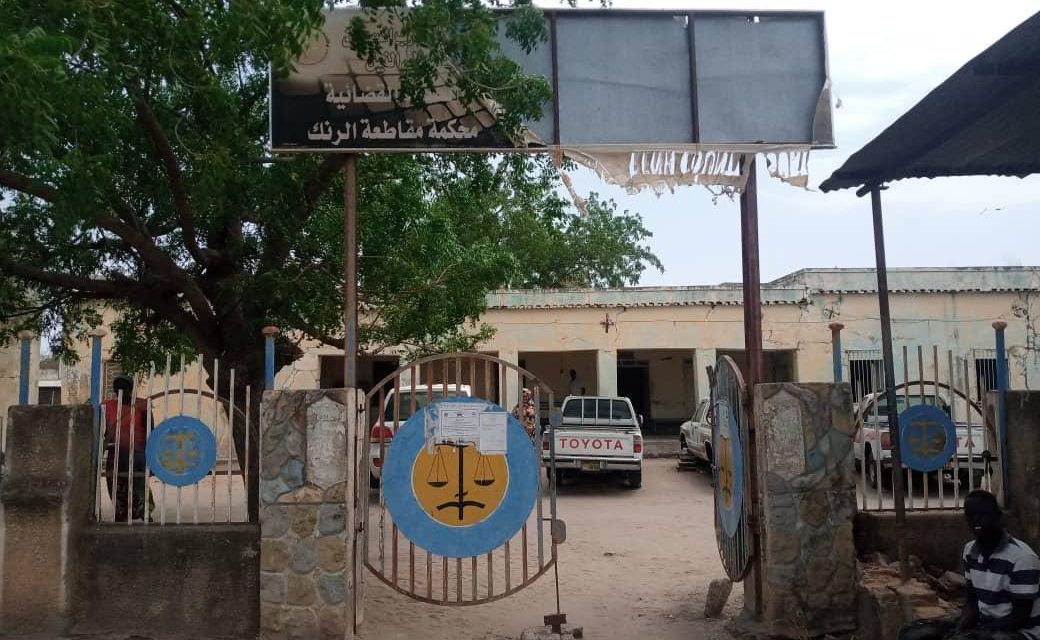
A total of 63 criminal cases, including serious offenses such as murder and sexual and gender-based violence (SGBV), are set to be handled by a mobile court deployed in Bunj, Maban County, Upper Nile State, according to the United Nations Mission in South Sudan (UNMISS).
In a statement seen by Juba Echo on Monday, UNMISS said the court deployment is supported by the Judiciary under the Ministry of Justice and Constitutional Affairs and funded by the Embassy of Norway.
The mobile court, which began its operations on October 24, is led by two newly appointed High Court judges, one of whom has been permanently deployed to Upper Nile State. They will work alongside the County Court Judge in Maban to clear a backlog of cases, some dating back to 2020.
Decades of conflict and displacement have eroded judicial infrastructure, leaving many vulnerable populations without access to justice.
The mobile court will rely on local prosecutors, investigators, and police officers to conduct investigations, present cases, and ensure the safety of judges and detainees. The initiative aims to improve access to justice, promote accountability for violence against women and girls, and reduce prolonged pre-trial detention.
“Mobile courts assist the government of South Sudan in delivering justice, strengthening the rule of law, reducing arbitrary detention, and building public trust in state institutions,”
said Anees Ahmed, Director of the UNMISS Rule of Law Advisory Section.
Meanwhile, in Unity State, a similar mobile court has adjudicated 45 criminal cases, convicting 40 people and acquitting or dismissing cases against 18 others. The deployment also led to the release of 99 individuals who had been wrongfully detained or had completed their sentences. Six of the cases involved members of the security forces.
The Unity State mobile court also heard six SGBV cases, resulting in two convictions, and granted 22 divorces — 17 of them initiated by women who were survivors of forced marriage or domestic violence.
“Through the Bentiu mobile court, the government and Judiciary of South Sudan have started re-establishing judicial operations in Unity State after 12 years of absence,”
said Anees Ahmed, noting the focus on ensuring permanent access to justice for women, children, and marginalized groups.
Since February 2024, UNMISS has supported six mobile court deployments in Unity State, responding to growing demand for justice through formal institutions — seen as vital for breaking cycles of violence, reducing exploitation, and fostering peace.
In August 2025, permanent judges were appointed to Unity State for the first time since 2013. Later, on September 29, the Unity State Governor officially handed over the court premises to the Judiciary during the opening of the latest mobile court session in Bentiu.
Although judges will temporarily depart after completing current cases, they are expected to return soon, as UNMISS continues supporting efforts to fully restore the judicial system in the state.