
An anthrax outbreak has killed at least 28 hippopotamuses in Virunga National Park in eastern Democratic Republic of the Congo (DRC), raising concerns...
An anthrax outbreak has killed at least 28 hippopotamuses in Virunga National Park in eastern Democratic Republic of the Congo (DRC), raising concerns about the spread of the disease to other wildlife and the potential risks to nearby communities.The mass deaths began in mid-September, with carcasses discovered in the Semuliki River, west of Virunga National Park, according to park authorities.Laboratory tests conducted by veterinary teams from Virunga Doctors and the Congolese Institute for Nature Conservation (ICCN) confirmed that anthrax, a bacterial disease caused by Bacillus anthracis, was responsible for the deaths.Virunga National Park said the animals died over approximately one month and that teams were monitoring the affected area, recording new deaths and coordinating the safe handling and disposal of carcasses.The park has warned that anthrax can spread to humans through contact with infected or dead animals or by consuming contaminated meat.Residents living near the affected areas have been urged not to touch, move, skin or consume animals found dead. They have also been advised to keep children, livestock and domestic animals away from carcasses and report any suspected cases to local authorities or veterinary services.The outbreak poses a significant threat to wildlife conservation in the park, where hippos play an important role in maintaining aquatic ecosystems by influencing nutrient circulation between land and water habitats.Park officials said recurring anthrax outbreaks have previously affected hippos and other wildlife, particularly during periods of drought when animals gather around limited water sources and become more exposed to contaminated soil.An earlier outbreak in 2025 killed 65 hippos in Virunga National Park, highlighting the continuing threat posed by the disease.Conservation experts have called for stronger wildlife surveillance, proper management of animal carcasses and closer cooperation between environmental and public health authorities to prevent further transmission.The response is being guided by the One Health approach, which recognises the connection between human, animal and environmental health.Photo Credit: Al Jazeera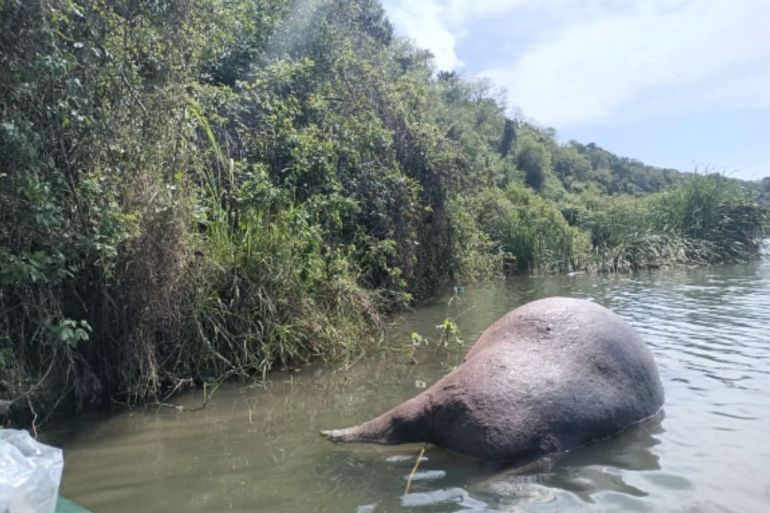
0 likes