50 Rangers Graduate to Strengthen Wildlife Protection at Badingilo National Park
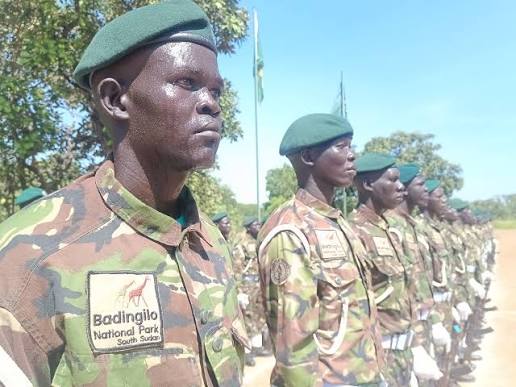
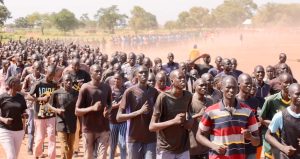
About 50 newly trained wildlife rangers have graduated from an intensive two-month training program aimed at strengthening conservation and law enforcement capacity at Badingilo National Park.
The graduation ceremony on Aug. 25 brought together government officials, conservation partners, community leaders and other guests to mark the completion of training conducted by African Parks in partnership with South Sudan’s Ministry of Wildlife Conservation and Tourism.
The training focused on building a professional and accountable ranger force capable of protecting wildlife and supporting law enforcement operations in one of South Sudan’s most important protected areas.
The rangers received instruction in law enforcement standards, appropriate use of force, weapons safety and handling, patrol procedures, anti-poaching operations, professional conduct and ranger ethics. The program also emphasized discipline, sound judgment, respect for communities and adherence to operational standards.
Gen. Khamis Adieng Ding, director-general at the Ministry of Wildlife Conservation and Tourism, said the graduation reflects the government’s continuing partnership with African Parks to strengthen conservation efforts.
“Together, we are building a professional conservation force that meets international standards, operates with integrity and serves the people of this great nation,” Ding said.
Badingilo National Park forms part of the Great Nile Migration Landscape, a vast savannah and floodplain ecosystem extending across Badingilo and Boma national parks and the wider Jonglei landscape.
The area supports one of the world’s largest land mammal migrations. Millions of white-eared kob, tiang, Mongalla gazelle and reedbuck move through the landscape in response to seasonal rainfall and water availability.
African Parks said the newly graduated rangers will help increase patrol coverage, improve operational response and support efforts to combat illegal wildlife offtake, including commercial bushmeat hunting.
John Vogel, African Parks’ Badingilo park manager, said the graduates had been prepared not only with tactical skills but also with judgment and restraint.
“They are the guardians of one of the world’s largest great land mammal migrations,” Vogel said. “The future reputation of this landscape will be built by what they do from tomorrow onwards.”
The graduates were selected from across South Sudan’s conservation and wildlife protection structure, with recruitment based on fitness, discipline, integrity, commitment to service and the ability to work responsibly in remote field conditions.
The training combined classroom instruction, practical field exercises and parade-ground drills.
A representative of the graduating class said the training had strengthened the rangers’ confidence and sense of duty and prepared them to protect Badingilo’s wildlife, communities and national heritage.
Florington Aseervatham, African Parks’ country representative, described the graduation as part of broader efforts to strengthen South Sudan’s institutions, protect natural resources and promote social cohesion.
Aseervatham also cited the results of a 2025 aerial survey that confirmed about 6 million antelope across the landscape, highlighting the ecological importance of the area.
African Parks said the survey, along with years of fieldwork, aerial monitoring, wildlife collaring and engagement with communities, has improved understanding of wildlife movements and areas of ecological importance.
The landscape is also home to elephants, giraffes, buffalo, eland, roan, oryx and African wild dogs.
The conservation organization said the growing evidence is being used to guide targeted and conflict-sensitive conservation planning that takes into account community needs, including grazing areas, water points and seasonal movement routes.
The ranger graduation is supported by the Wyss Foundation and the European Union as part of broader efforts to strengthen conservation, community engagement and landscape-level protection.
African Parks and the South Sudanese government are working under a long-term partnership to support the management, rehabilitation and development of Boma and Badingilo national parks and the wider Jonglei landscape.
The new rangers are expected to strengthen the park’s capacity to protect wildlife while supporting efforts to ensure that South Sudan’s protected areas benefit both communities and future generations.