The South Sudan Revenue Authority (SSRA), through the South Sudan Institute of Revenue Administration (SSIRA), has launched two training-of-trainers programmes focused on taxation in the hospitality industry and the oil, gas and extractive sectors to strengthen the technical capacity of revenue officers.
The five-day training, running from October 19 to 23, brings together 50 SSRA participants to enhance their skills in tax assessment, administration and collection in the targeted sectors.
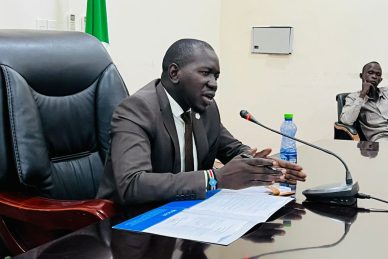
Speaking during the opening ceremony, SSIRA Principal Stephen Analo said the institute had established academic, administrative and financial management systems to strengthen its institutional foundation and support its professional training mandate.
Analo said SSIRA had also developed policies, procedures and guidelines that were being tested to ensure they were effective before being submitted for formal approval.
“We have put in place policies, procedures, and guidelines, which will be coming to your table for approval. But we said we have to test them. We have to prosecute them. We have to see they are working so that when we come to present them, we are presenting things that are working,” Analo said.
He emphasized that strengthening the capcapacity of revenue officers and developing professional trainers were essential to improving tax administration and the authority’s overall performance.
Analo said SSIRA had planned between 10 and 12 training-of-trainers programmes from October to December, with support from the African Development Bank (AfDB). The initiative will involve experts from East African countries and the East African Community to provide specialized training.
According to Analo, the programmes are expected to train more than 200 participants by around December 12, 2026.
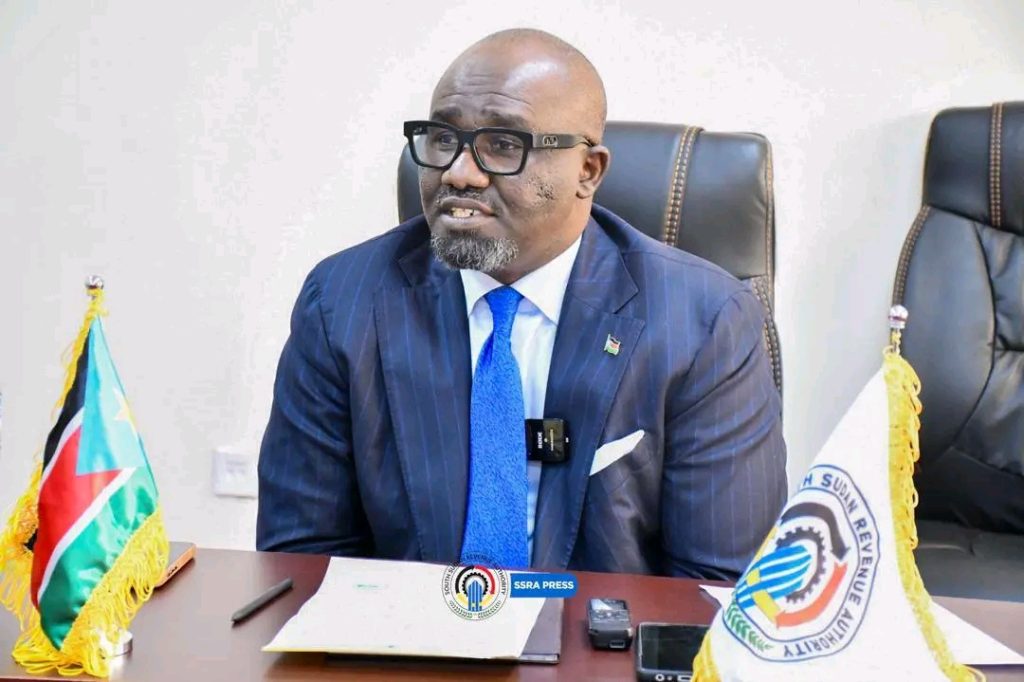
Officially opening the programmes, SSRA Commissioner General Rizig Dominic Samuel described SSIRA as a key institution in developing the professional expertise needed to improve the authority’s performance and strengthen domestic revenue mobilisation.
“I see this institution not merely as a place where officers come for training, but as the engine for building the professional capacity of the authority. I am committed to supporting SSIRA and fulfilling this mandate,” Dominic said.
He stressed that the success of the training should be measured by tangible improvements in tax compliance, taxpayer services and revenue collection, rather than the number of officers trained or certificates awarded.
Dominic said effective taxation of the oil, gas and extractive industries requires specialized knowledge, strong assessment capabilities and effective oversight to ensure that all revenue legally due to the country is properly accounted for.
He also urged participants to apply the knowledge gained during the training and transfer their skills to other revenue officers.

“You are not here simply to be trained. You are here to become trainers,” he told the participants.
Dominic expressed appreciation to experts from Kenya and Tanzania for sharing their knowledge and experience, as well as to SSIRA’s leadership for organizing the programmes.
He reaffirmed his commitment to supporting the institute as a centre for professional development, saying the authority must move beyond training for participation and focus on training that delivers measurable results.
The programmes form part of SSRA’s broader efforts to improve tax administration, expand compliance and strengthen domestic revenue collection through a more professional, accountable and results-oriented workforce.
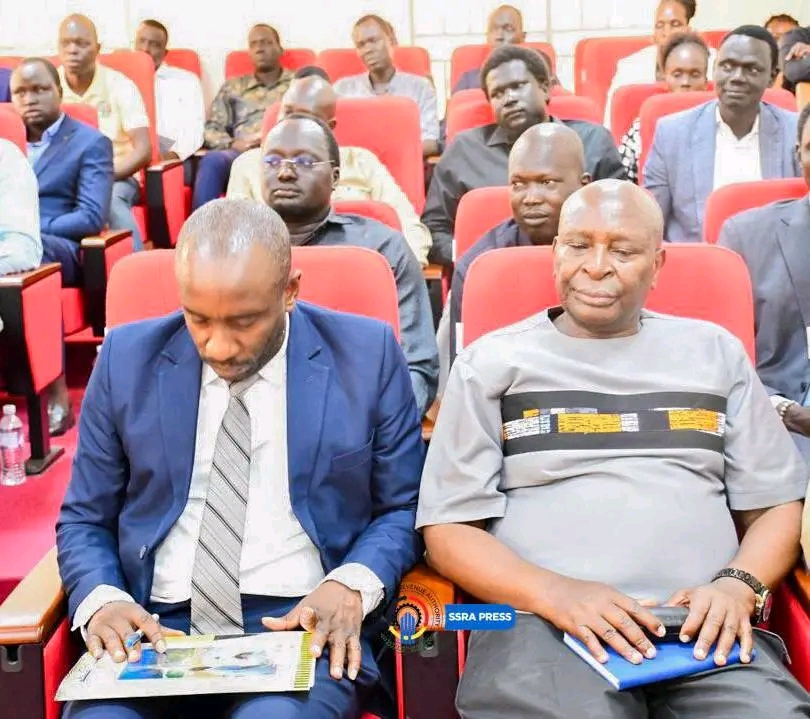
All Pictures Credit of SSRA.